Tree Cabling Service in Reno, NV
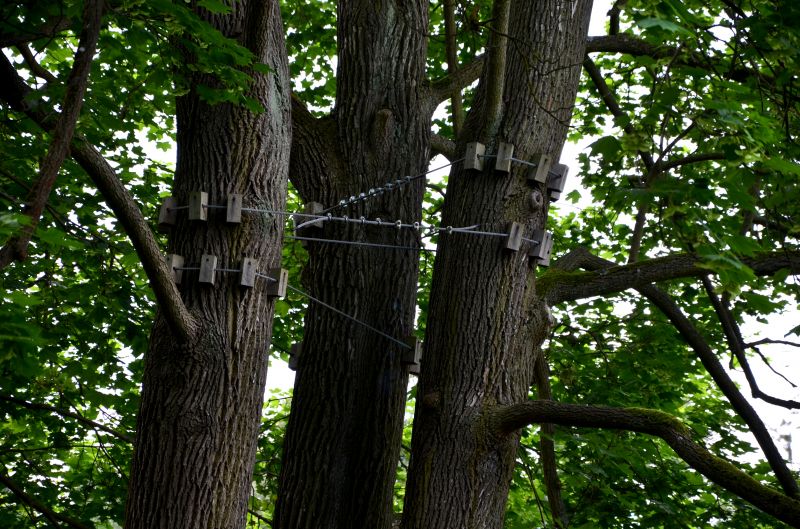
Tree cabling services involve installing supportive cables and braces to help stabilize and strengthen trees that may be at risk of damage or failure. This process is often used for mature or valuable trees that have structural weaknesses, such as split branches, weak crotches, or other defects. Projects typically include installing cables in the branches of large trees to reduce the risk of limb failure, as well as bracing trunks or major limbs to provide additional support. Property owners usually want to understand the types of cables used, the areas of the tree that will be stabilized, and how the process can help prevent damage during storms or high winds.
Before requesting tree cabling services, property owners should consider the overall health and structure of the trees involved. It’s important to evaluate whether the tree is suitable for cabling, especially if there are signs of disease or decay. Understanding the specific goals for the project, such as reducing the risk of limb failure or supporting a valuable tree, can help determine the appropriate type of cabling or bracing. Consulting with a professional can provide clarity on the best approach and ensure that the work supports the long-term health and safety of the trees and surrounding property.
Many property owners in Reno, NV look into Tree Cabling Service for repairs, replacements, upgrades, and appearance-related improvements.
Tree Support And Stability
Cabling helps maintain the health and safety of mature trees in residential and commercial properties.
Preventing Tree Damage
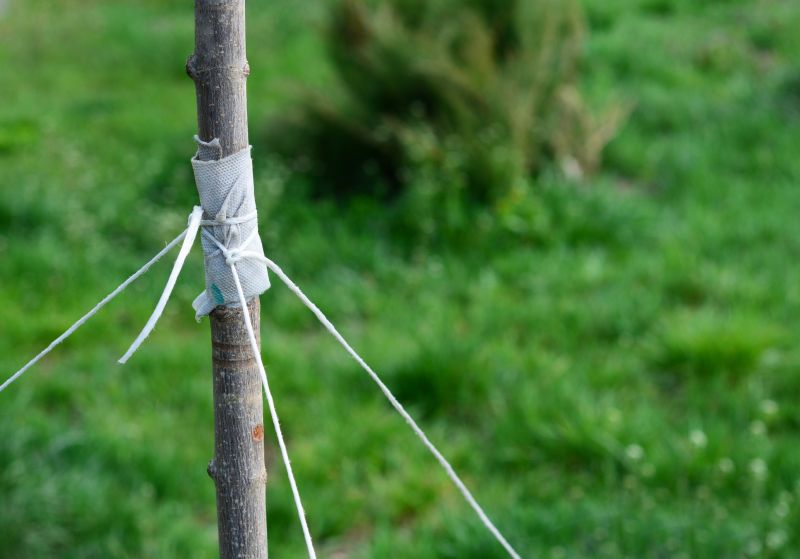
Proper cabling reduces the risk of branch or trunk failure during storms or high winds in reno and surrounding areas.
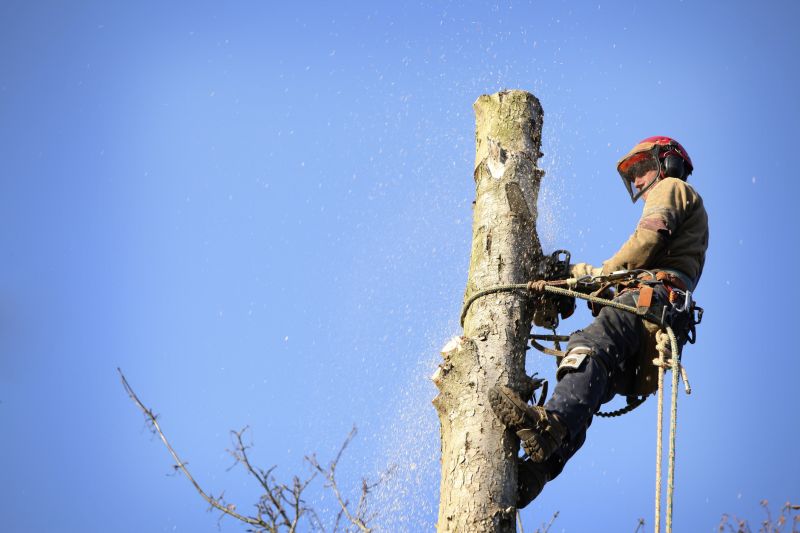
Enhancing Property Safety
Tree cabling minimizes hazards by securing weak or heavy branches near homes, walkways, and parking areas.
Tree Cabling Service in Reno, NV
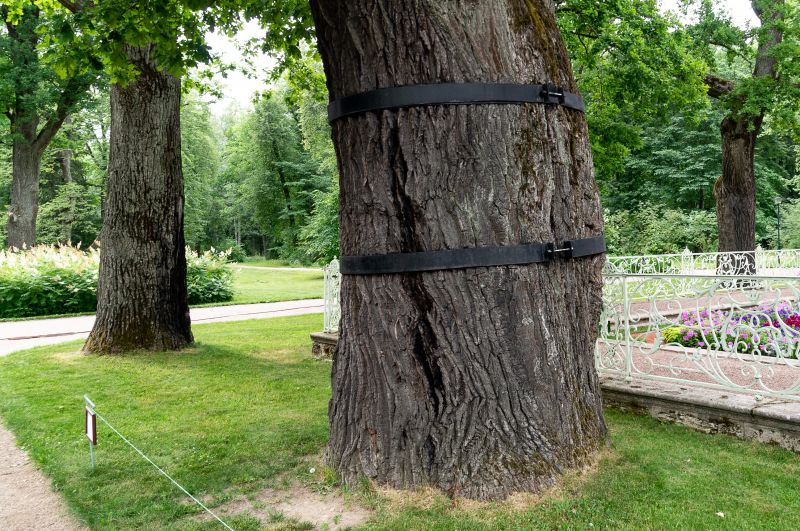
Tree cabling services involve installing supportive cables and braces to help stabilize and strengthen trees that may be at risk of damage or failure. This process is often used for mature or valuable trees that have structural weaknesses, such as split branches, weak crotches, or other defects. Projects typically include installing cables in the branches of large trees to reduce the risk of limb failure, as well as bracing trunks or major limbs to provide additional support. Property owners usually want to understand the types of cables used, the areas of the tree that will be stabilized, and how the process can help prevent damage during storms or high winds.
Before requesting tree cabling services, property owners should consider the overall health and structure of the trees involved. It’s important to evaluate whether the tree is suitable for cabling, especially if there are signs of disease or decay. Understanding the specific goals for the project, such as reducing the risk of limb failure or supporting a valuable tree, can help determine the appropriate type of cabling or bracing. Consulting with a professional can provide clarity on the best approach and ensure that the work supports the long-term health and safety of the trees and surrounding property.
Many property owners in Reno, NV look into Tree Cabling Service for repairs, replacements, upgrades, and appearance-related improvements.
Common Tree Cabling Service Jobs
Tree cabling services - reinforce weak branches to prevent breakage during storms.
Tree support systems - stabilize trees with heavy or unstable limbs for safety.
Cabling installation - use durable cables to reduce the risk of limb failure.
Tree health preservation - protect trees from damage caused by high winds or heavy snow.
Structural support - improve the stability of mature or leaning trees.
Risk mitigation - help prevent property damage from falling branches or trees.
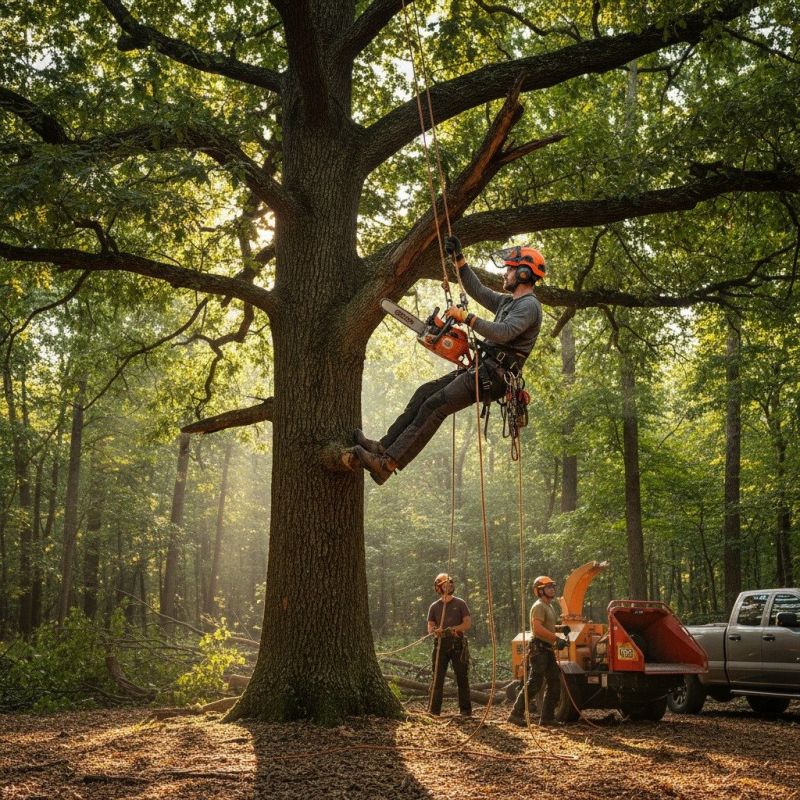
Tree Cabling Service Questions
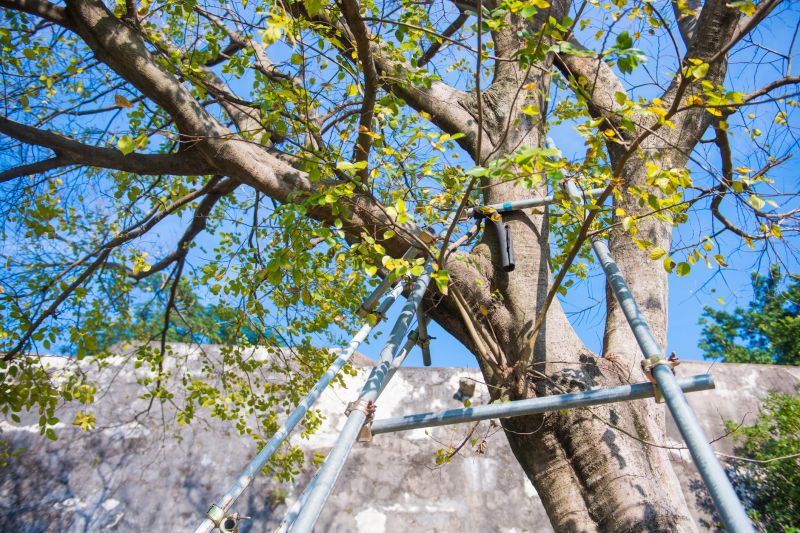
What is tree cabling? Tree cabling involves installing support systems to help weak or damaged branches and limbs stay secure and prevent breakage.
When should tree cabling be considered? It is recommended when a tree shows signs of structural weakness, has split branches, or has undergone storm damage.
Does tree cabling harm the tree? No, tree cabling is a non-invasive method that helps preserve the tree’s health and stability without causing harm.
What types of trees benefit from cabling? Mature trees with heavy limbs, those with cracks, or trees with previous structural issues are good candidates for cabling services.
Request Tree Cabling Service in Reno, NV
Use the quote form on this page to share the basics of your project and request more information for the type of work you need.